La Crosse, WI
Garage Door Service for La Crosse's Older Housing Stock
Serving La Crosse and nearby French Island, Onalaska, and Holmen, we fix the spring and opener failures that come with 1960s-90s housing in a severe-cold climate.
The Complications
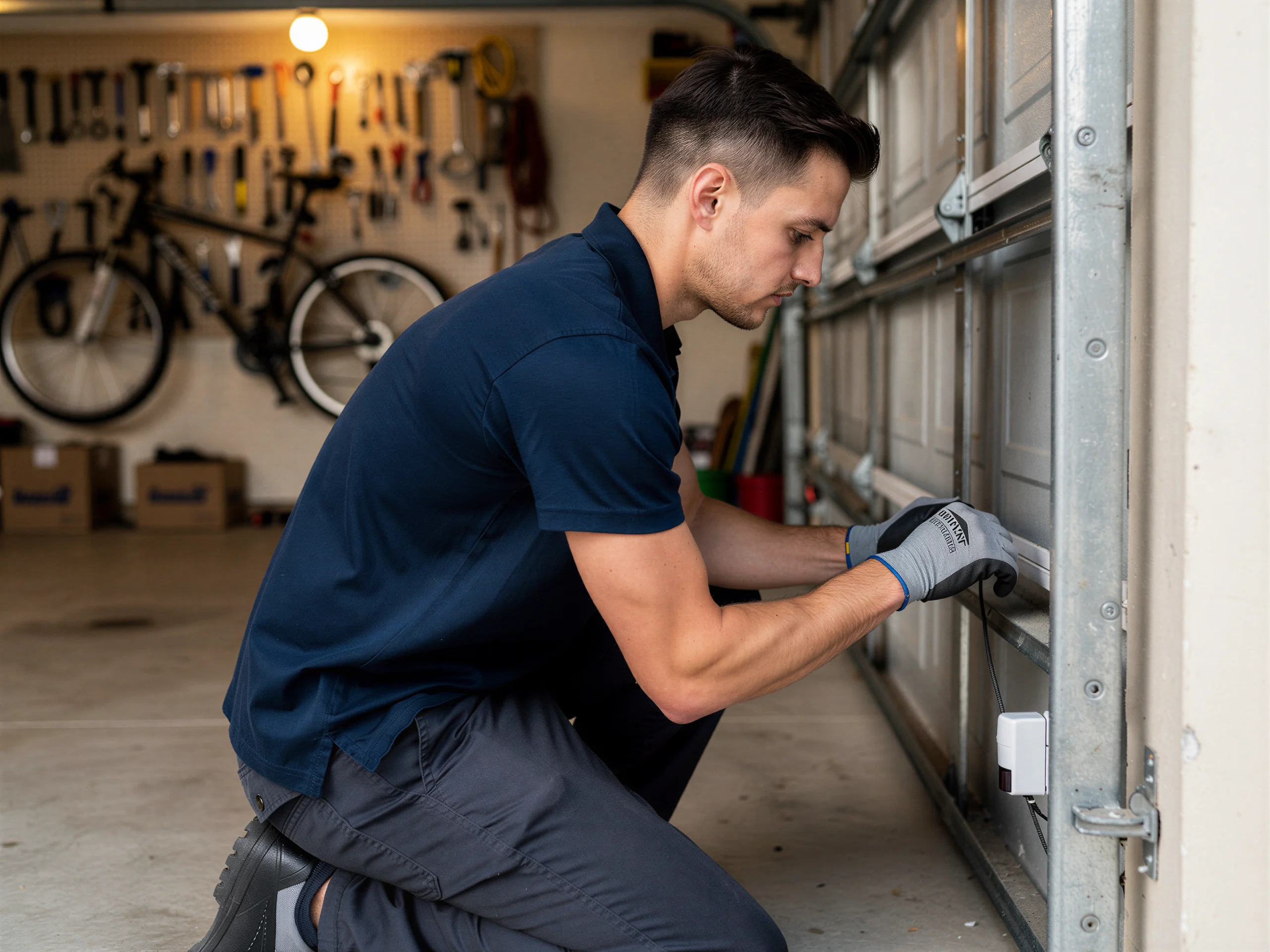
Most of the garage doors we get called on in La Crosse weren't put in last year. Housing across this service area - French Island, Onalaska, Campbell, Holmen, and the rest of the 19 communities we work in - was mostly built between 1967 and 1998, with the median home going up around 1979.
Four decades of original parts
That means a lot of original torsion spring setups, original openers, and original hardware that's been doing its job for four decades or more without anyone thinking about it until it fails. The complication isn't just age.
Discontinued track and drum sizes
It's that these doors were built to a different standard than what you'd put in today, and in a lot of cases the track spacing, spring size, or drum configuration doesn't match current stock parts. We can usually work around it, but it sometimes means a slightly longer wait on the exact part instead of a same-day swap.
Severe cold and spent springs
On top of that, La Crosse sits in a severe cold climate band. Steel contracts in deep cold, lubricant stiffens, and a spring that's already near the end of its rated cycle life doesn't need much more to finally let go. Old house, cold winter - that combination is most of what we see.
The Symptom
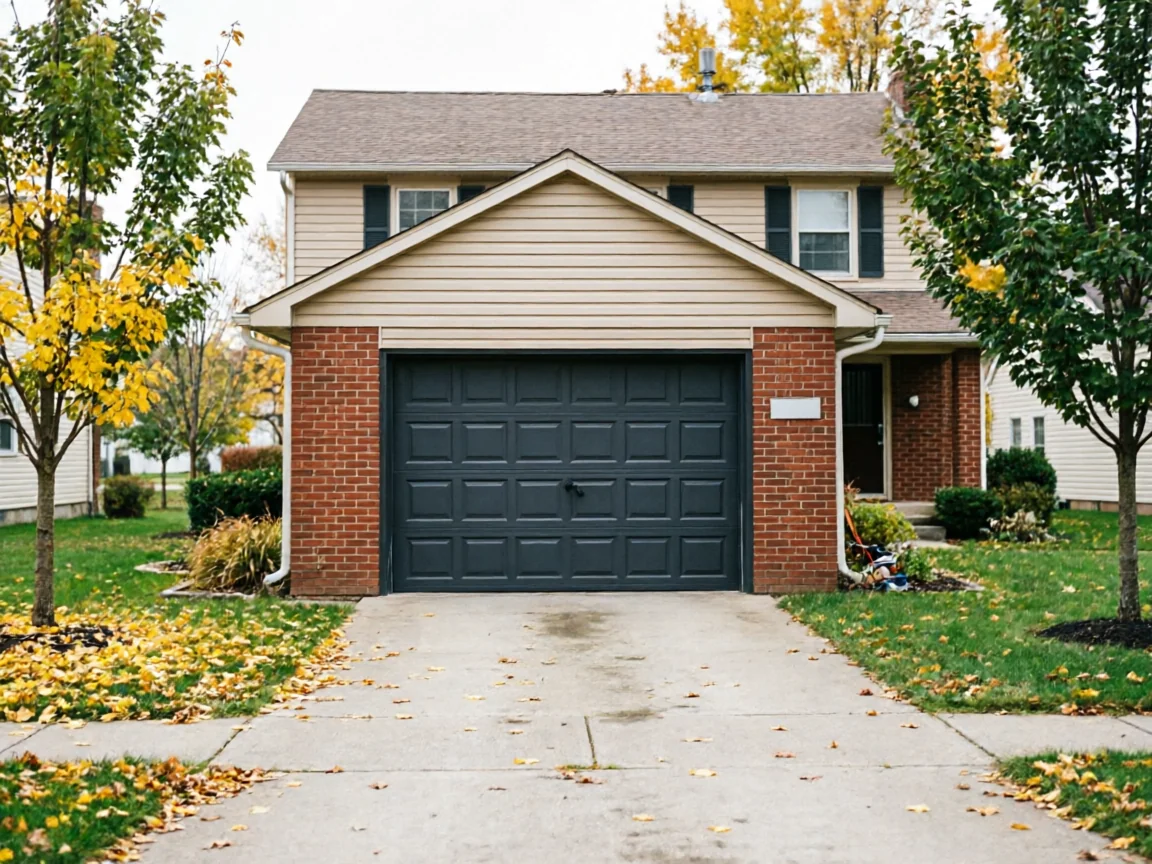
The call usually starts one of two ways. Either the door won't budge - you hit the opener and it hums, strains, and goes nowhere - or it comes down with a bang because a cable or spring gave out mid-cycle.
Sagging side and grinding
In between those two extremes you get the slower warning signs: a door that visibly sags on one side when it's halfway open, a grinding noise from the opener that wasn't there last month, or a door that closes fine in the afternoon but fights you first thing on a cold morning.
Sensor reversals and error lights
Some owners also notice the door reversing on its own right before it fully closes, or the opener light flashing an error it's never shown before. Those are usually the opener's safety sensors reacting to a door that's no longer traveling true, which often traces back to a spring that's lost tension gradually rather than snapping outright.
Noise and uneven movement
If your door is making a new noise, moving unevenly, or needs a shove to get going, that's the spring or the track geometry telling you something changed - not something to leave until it fails outright, since a full spring failure on a loaded door can bend a track or crack a panel on the way down.
What Causes It Around Here
Torsion springs are rated for a set number of open-close cycles, and most residential springs are good for somewhere in the range of a decade or two of normal use before fatigue sets in. With median home age putting a lot of La Crosse garages at original 1970s-era hardware, plenty of springs out there are well past that window and running on borrowed time.
Cold is the second half of it. In a severe cold climate, steel loses some flexibility as temperatures drop, and the same spring that handled the door fine in August has less give in January. That's why a lot of our breakage calls cluster in the coldest stretches - it's not that cold breaks springs by itself, it's that cold is the extra load that finishes off a spring that was already near its limit from age and cycle count.
The other factor tied to this housing era is lubrication and seals. Original weatherstripping and track lubricant from a 1970s or 1980s install have usually hardened or washed out decades ago, which adds resistance right when the steel is stiffest. Put an aging spring, dried-out track lube, and a cold snap together, and that's the failure we show up for.
The Cost of This Job
We're not going to quote a number here that doesn't apply to your door - spring size, whether you've got one spring or two, door weight, and whether the opener needs attention too all change the job.
Single versus double spring pricing
A single-spring torsion replacement on a lighter door is a different job than a two-spring setup on a heavier insulated door, and pricing them the same would be guessing.
Drums and bearing plate checks
What we can tell you honestly: if your spring is original to a house from this era, replacing it properly usually means replacing the cable and checking the drums and bearing plate at the same time, since they've worn together for just as long. Patching only the spring and leaving worn cable on it is a shortcut that costs you a second service call later.
Discontinued spring size delays
One limitation worth knowing - if your door uses an odd or discontinued spring size from an older build, we may not have it on the truck, and getting the exact match can add a day or two. We'd rather tell you that up front than promise a same-day fix we can't back up.
Questions
Common questions
Why does my garage door only act up in cold weather?
Steel springs lose some flexibility as temperatures drop, and La Crosse sits in a severe cold climate band. If your spring is already old - common in houses from this area's 1960s-90s building era - the cold is often the extra push that finally causes it to bind or break.
Is my door too old to repair instead of replace?
It depends on the door and opener, not just the year. We look at the panel condition, track alignment, and whether parts for that size are still available before recommending repair over replacement. We'd rather tell you to replace it than charge you to patch something that'll fail again in a month.
Do you service areas outside La Crosse itself?
Yes, we cover the surrounding communities including French Island, Onalaska, Campbell, Holmen, West Salem, and the other nearby towns in this service area.
Explore more
Explore More Services In La Crosse, WI
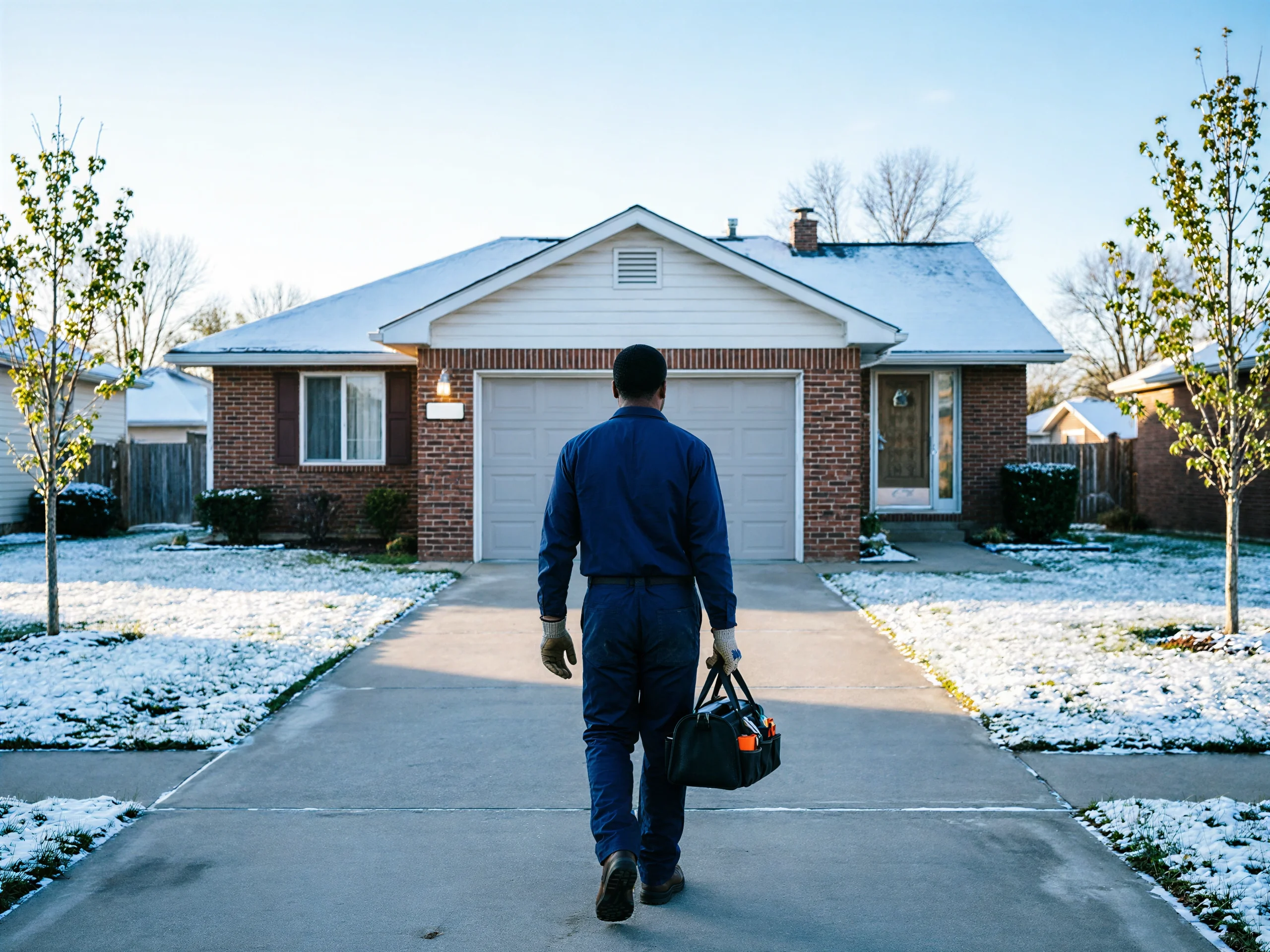
24/7 Emergency Garage Door Repair Across the La Crosse Area
A broken spring or stuck door doesn't wait for business hours. Learn more →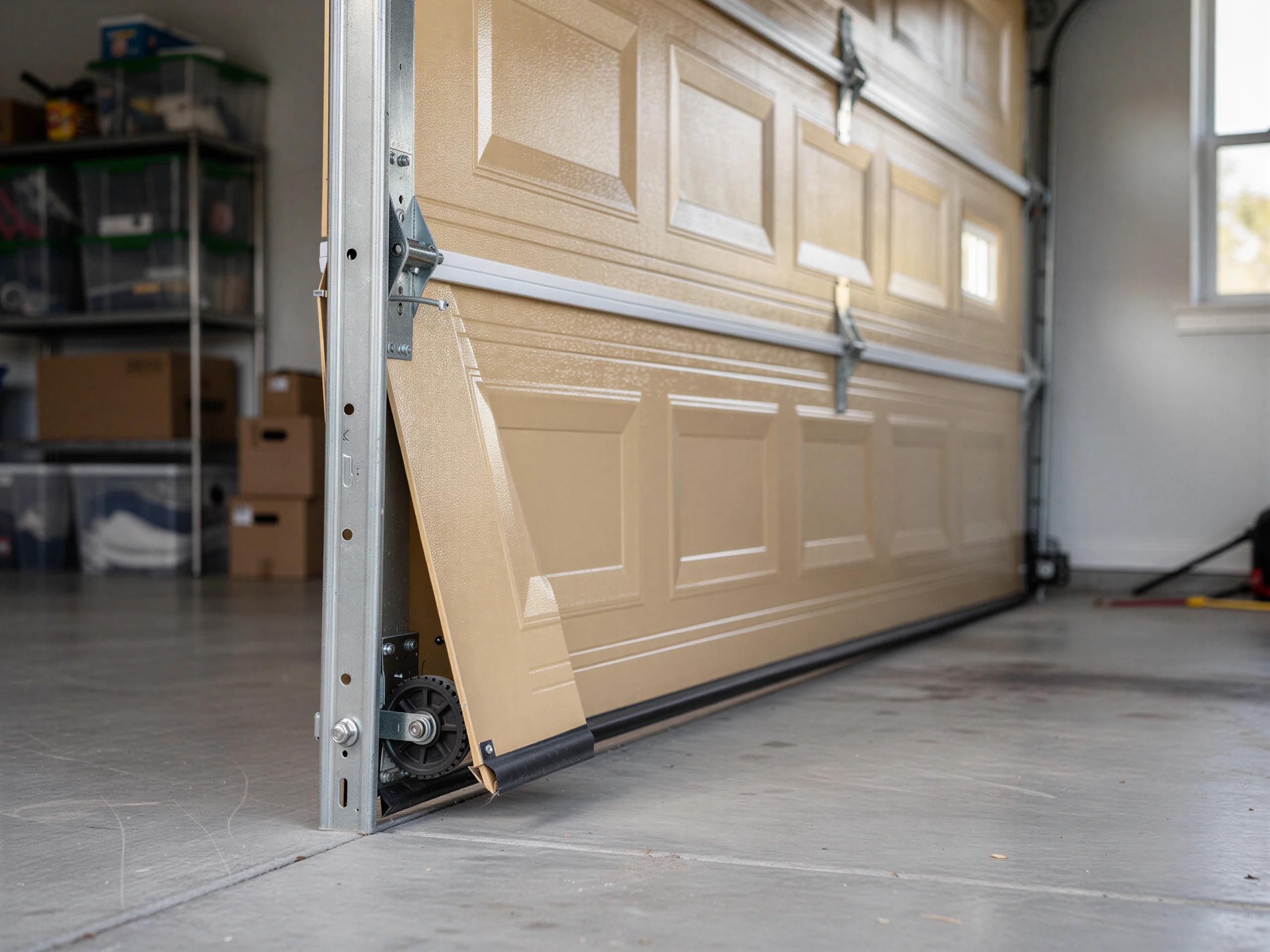
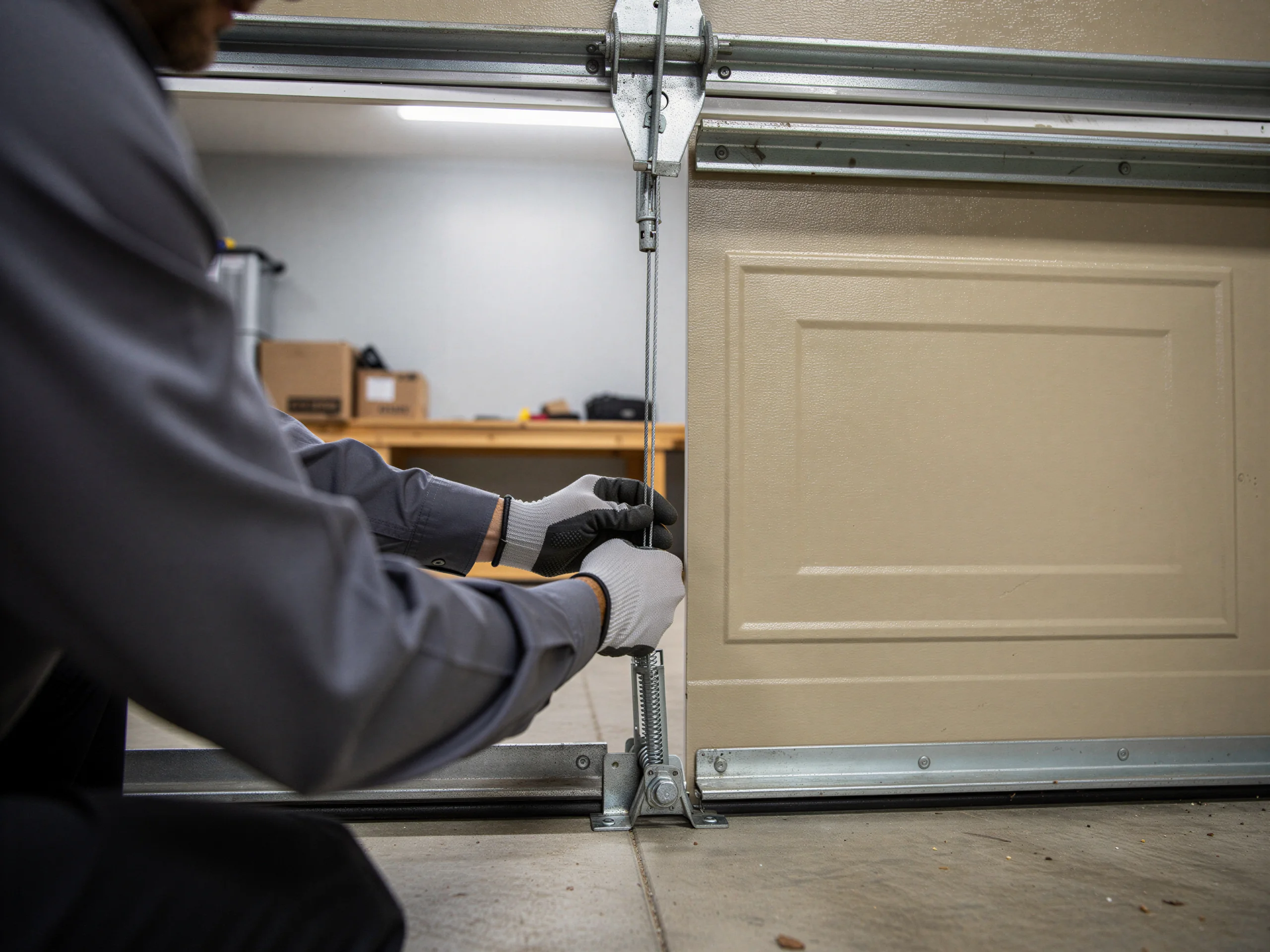
Garage Door Cable Repair for La Crosse Homes
Frayed or snapped garage door cables show up often in La Crosse homes built mostly 1967-1998, especially after severe cold. Learn more →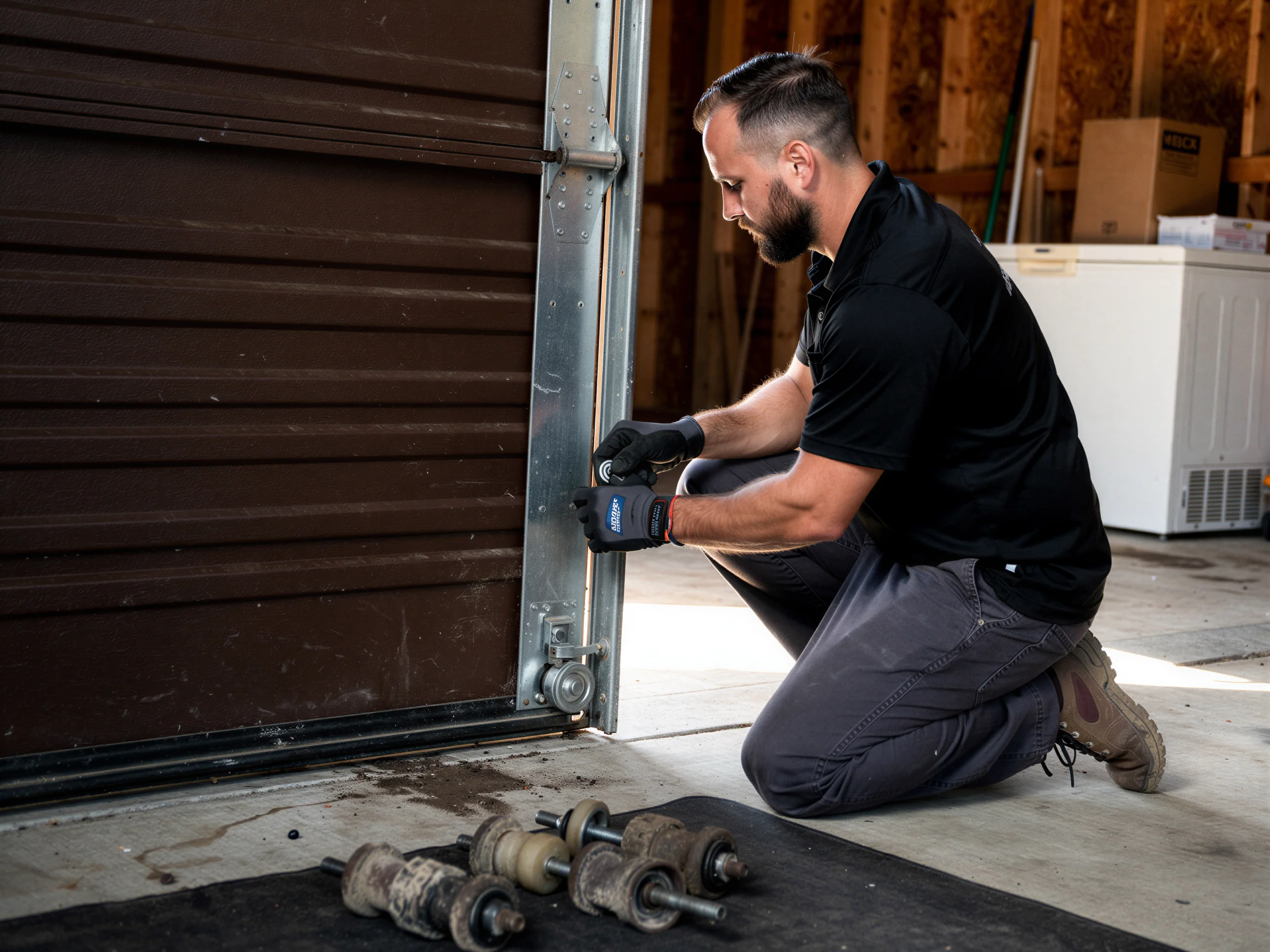
Garage Door Roller Replacement, La Crosse WI
Worn rollers on La Crosse homes built 1967-1998 bind and jump track fast in cold-climate winters. Learn more →
Garage Door Installation for La Crosse Homes
Planning a garage door install in La Crosse, WI? Learn more →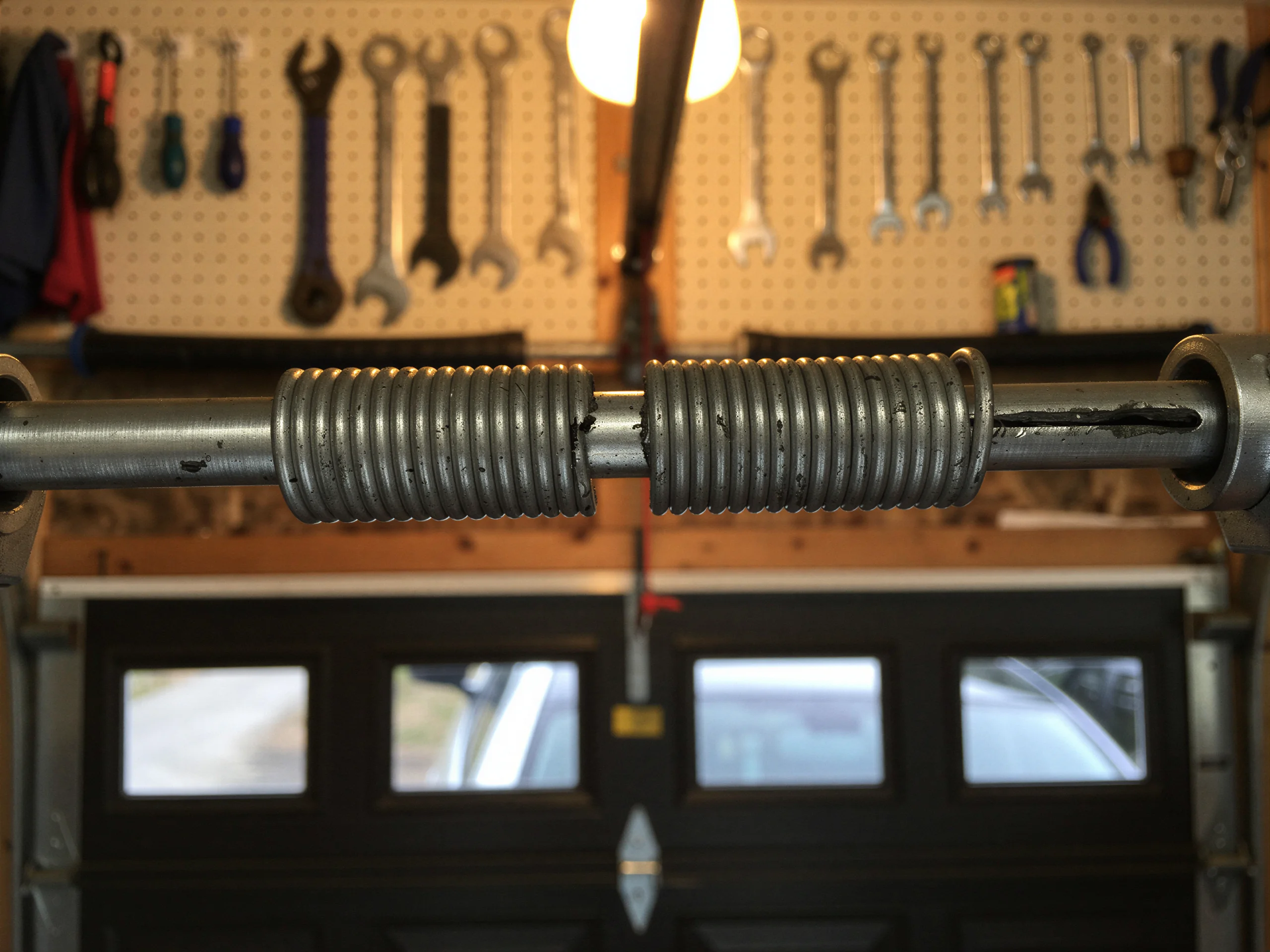
Garage Door Spring Repair for La Crosse Area Homes
Torsion springs fail early in La Crosse's cold winters and 1960s-90s housing stock. Learn more →Ready when you are
Need a garage door sorted in La Crosse?
La Crosse Garage Door Pros repairs and installs garage doors, springs and openers in La Crosse, WI and the surrounding area.