Blog
Why So Many La Crosse Garage Doors Leak Cold Air
Most La Crosse garage doors went up between 1967 and 1998, before insulation codes tightened. Here's what that means for the cold months and what it costs to fix.
What Local Conditions Do
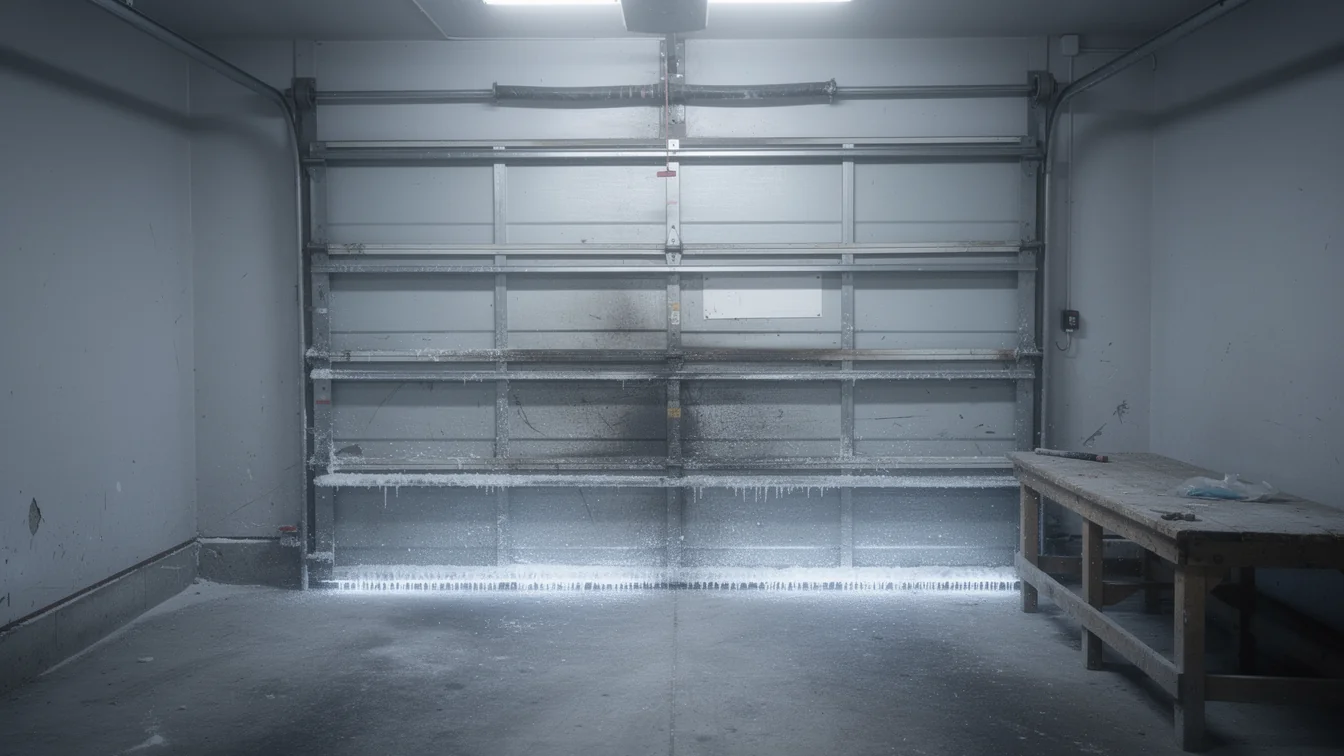
La Crosse sits in a severe cold climate band, and that matters more for a garage door than almost any other part of the house. Most of the housing stock here went up between 1967 and 1998, with a median build year of 1979 - a stretch when garage doors were framed and hung, but not built or installed to handle the kind of sustained sub-zero stretches this area gets. A single-layer steel door from that era, or the wood panel doors that came with a lot of these houses, has no thermal break and no real seal at the bottom track. The result is a garage that tracks the outdoor temperature almost exactly, which matters if you've got a water line, a freezer, or a finished wall sharing that space. We're not talking about one bad batch of doors - this is the standard construction method for nearly two decades of local building, which is why the issue shows up across so many of the neighborhoods in this part of Wisconsin, not just one subdivision.
The Situation
Walk a street built in the late 1970s and you'll see it: steel doors with visible ripple from age, hardware that's been painted over more than once, and bottom seals that have hardened and cracked from years of freeze-thaw cycling. That's typical for a door installed before 1980 in this climate - rubber seals weren't engineered for 30+ winters of La Crosse cold, and most owners never replace them until the gap is wide enough to see daylight through. With roughly 15,954 owner-occupied houses across the service area, a large share of them fall into this same build window, which means this isn't a rare call for us - it's one of the most common reasons people reach out in the fall before the cold sets in. The fix isn't always a full door replacement. Sometimes it's a new bottom seal and weatherstripping kit. Sometimes the door itself has reached the point where insulation retrofits don't make sense anymore.
The Cost of This Job
We don't have a flat number to quote here - every door and every opening is different, and giving you a made-up figure would do you no favors. What we can tell you is how the decision usually breaks down. A weatherstrip and seal job is the cheaper route and makes sense if the door panel itself is still straight and the track is in decent shape. A full insulated door replacement costs more up front but is the better move if the panels are already dented, the door's original to a house built in the 1970s or 80s, or you're trying to actually condition that garage space for the winter. With median household income in the area around $77,083, most owners we talk to want the straight answer on which category their door falls into before they spend anything - and that's a call we can make by looking at the door, not by guessing over the phone.
Leaving It Alone
Nothing catastrophic happens if you ignore a drafty, uninsulated garage door - it's not a safety issue most of the time. But in a severe cold climate like this one, an uninsulated door sitting over a bedroom wall or next to a laundry room means higher heating bills all winter, every winter, for as long as that door's up. Pipes that run along a garage wall are also more exposed to freezing than owners realize, especially in houses from the 1967-1998 build window where insulation standards were lighter to begin with. The honest limitation here: insulating an old door with a retrofit kit only goes so far if the panel itself has warped or the frame has shifted over 40-plus years, and in those cases you're better off replacing than patching. We'd rather tell you that upfront than sell you a kit that won't hold.
Questions
Common questions
Why is my garage so cold even with the door closed?
If your house was built in the 1960s, 70s, or 80s, which covers most of this area, your garage door likely has no thermal break and a bottom seal that's long past useful life. In a severe cold climate like La Crosse's, that gap lets outdoor air move through almost freely, which is why the garage tracks close to the outside temperature even fully closed.
Is it worth insulating an old garage door instead of replacing it?
Sometimes. If the panels are still straight and the track is sound, a seal and insulation kit can help. But doors original to houses built before 1980 have often warped enough over the decades that a kit won't seal properly, and at that point replacement is the better use of money.
How common is this problem in La Crosse?
Very. With most of the local housing stock dating to the 1960s through 90s and over 15,900 owner-occupied houses in the service area, uninsulated original doors are one of the most frequent calls we get, especially as temperatures drop into winter.
Recommendation
You Might Also Like
More garage door guides for La Crosse homeowners.
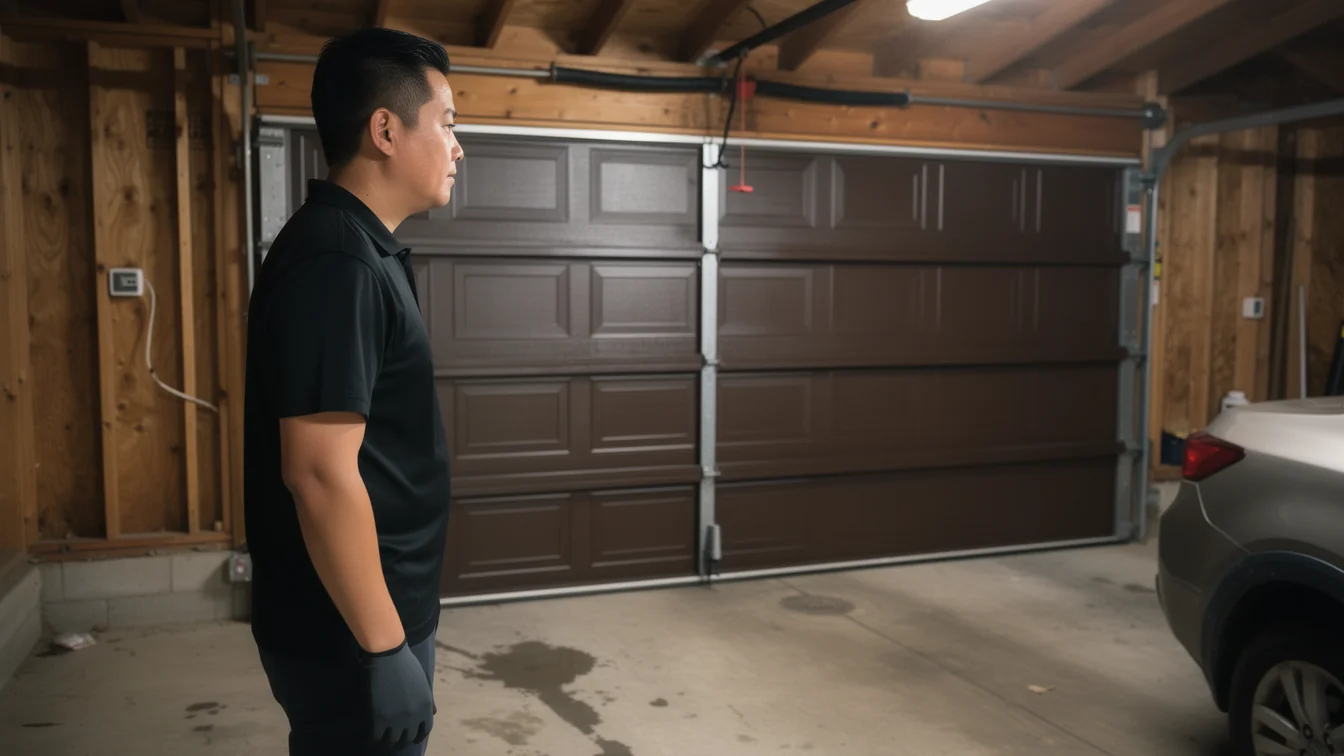
What That Noise Your Garage Door Is Making Actually Means
La Crosse homes built between 1967 and 1998 carry original track and spring hardware that reacts hard to our cold-severe winters.
Read guide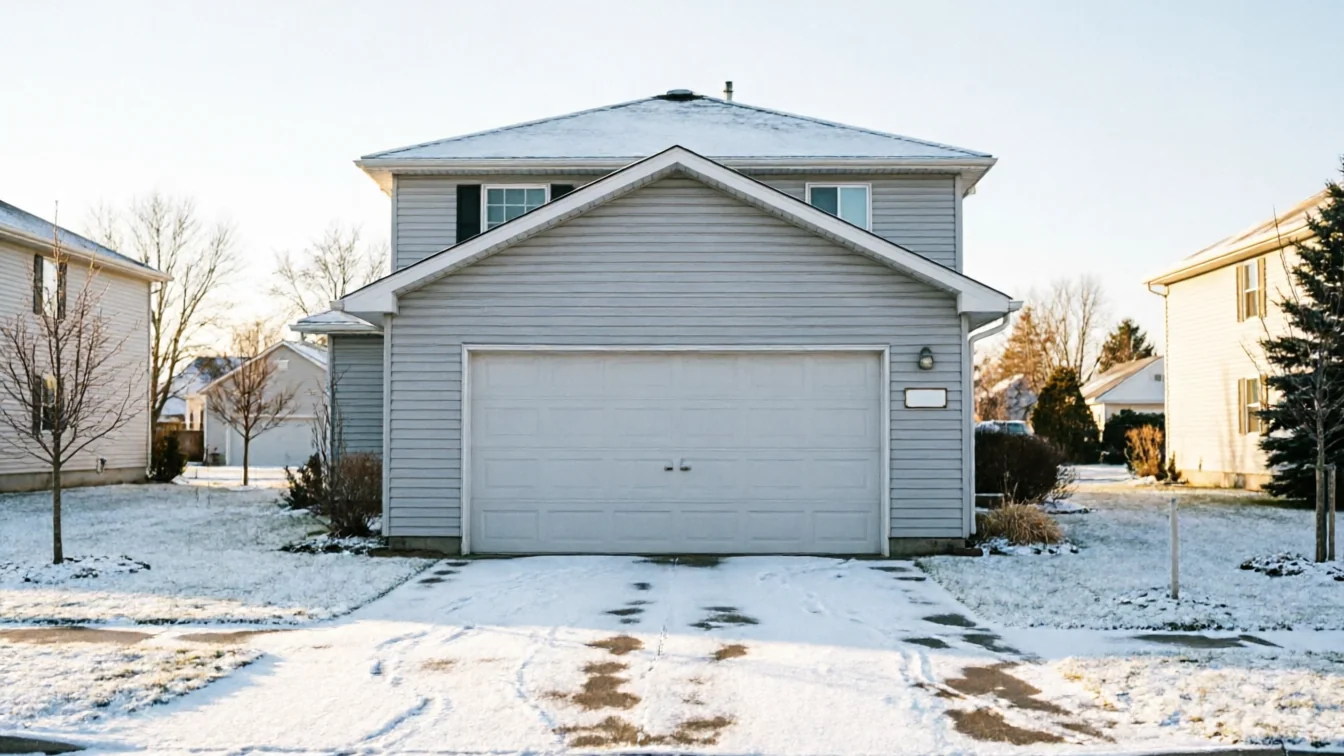
Cold Weather and Broken Springs in La Crosse
Why La Crosse winters snap torsion springs on houses built 1967-1998, what it costs to fix, and why ignoring a broken spring here gets expensive fast.
Read guide
What Winter Does to Your Opener in La Crosse
Most La Crosse garages date to 1967-1998, wired for openers never built for severe cold power cuts that freeze tracks and drain backup batteries fast.
Read guideReady when you are
Need a garage door sorted in La Crosse?
La Crosse Garage Door Pros repairs and installs garage doors, springs and openers in La Crosse, WI and the surrounding area.