Blog
What We Actually Do on a La Crosse Service Call
A look at what we actually check on a La Crosse service call, tied to the area's 1960s-90s housing stock and severe cold winters, not a generic maintenance checklist.
What Local Conditions Do
Most of the housing stock around La Crosse went up between 1967 and 1998, with a median build year of 1979. That one number shapes almost every service call we run. A door and opener installed when a house was built in the late 70s or 80s is now old enough that the original hardware is near the end of its life, even if nobody's touched it. Add in a cold-band winter climate, and steel tracks, nylon rollers, and spring coatings all take a harder beating here than they would somewhere milder. Cold makes steel brittle and grease stiff, which is why a spring that's been fine for years can suddenly snap on the first hard freeze of the season. When we come out, we're not just looking at what's broken today - we're checking what the age of the house and the season are doing to everything else on that door. A call in a neighborhood built in 1979 looks different from a call in a newer build nearby, even a few miles apart in this same service area, because the hardware generation is different.
That's the starting point for every job, not an afterthought.
The Situation
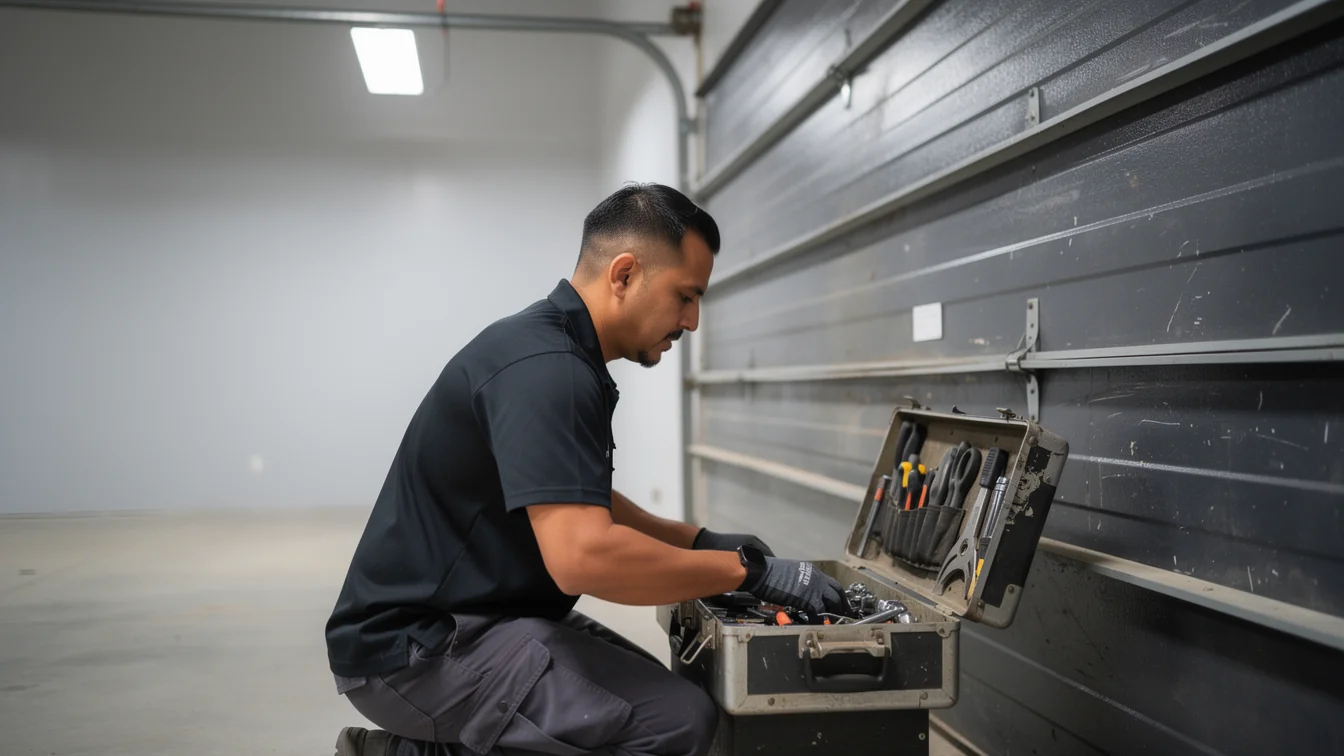
On a typical call we're checking the spring (age and wind count matter more than looks), the cables for fraying at the drum, the track alignment, the opener's force settings, and the weatherstripping at the bottom panel. In a cold-climate market like this one, that last item gets skipped a lot - people notice a loud door before they notice a door that's letting cold air pour into the garage all winter.
Given that most homes we serve were built mid-century through the late 90s, we see a lot of the same patterns: original torsion springs that have outlived their rated cycle count, openers from an earlier generation with no battery backup, and tracks that were never re-leveled after decades of seasonal temperature swings. We serve households across French Island, Onalaska, Campbell, Greenfield, West Salem, Brice Prairie, Holmen, Bangor, and the other communities within about 20 miles of La Crosse, and the housing-age pattern holds pretty consistently across that whole radius. A service call here isn't a generic inspection - it's built around the fact that this housing stock and this climate wear doors down in specific, predictable ways.
The Cost of This Job
We don't have a flat number to quote here - too much depends on what we find once the door's open. What we can say is that with 15,954 owner-occupied houses across a service area with a median household income around $77,083, most of the jobs we run are repair-and-maintain rather than full replacement. Replacing a whole door and opener system makes sense when the door itself is original to a house from the 1970s or earlier and the track is rusted or bent beyond adjustment - at that point you're paying to keep patching something that's reached the end of its practical life anyway.
For a lot of the 1980s and 90s builds in this area, the spring and opener are the parts that fail first while the door panel itself is still sound, so the honest call is usually to fix those and leave the door alone. We'll tell you straight if we think you're better off replacing than repairing, and we'll tell you if we think a repair will hold for years - we don't pad a bill by swapping parts that don't need it.
Leaving It Alone
Here's the part we won't sugarcoat: a door that's making noise or sticking in the cold doesn't fix itself, and winter in this part of Wisconsin is not forgiving to a door left in marginal shape. A worn cable or a spring near the end of its wind count is far more likely to let go on a sub-zero morning than in July, because cold steel has less give in it. Put off a call through one more cold season and you're more likely to end up with a door stuck shut, or worse, a spring failure that bends a track or damages a panel when it lets go.
One limitation worth saying plainly: if a part we need is a less common size from an older opener or track system, it can take longer to get in than a same-day fix on newer standard hardware. We'll tell you up front if that's the case rather than let you assume it's a quick job.
Questions
Common questions
Why does my garage door act up more in winter?
Cold makes spring steel more brittle and stiffens the grease in rollers and hinges, so hardware that was fine all summer can suddenly bind or snap once temperatures drop. In a cold-climate market like La Crosse, that seasonal swing is one of the biggest reasons doors fail in winter rather than any other time of year.
Is my door old enough to worry about?
If your house was built between 1967 and 1998 - which covers most of this area - there's a decent chance the door or opener is original or close to it. That's not automatically a problem, but it means the hardware is old enough that a full inspection is worth doing before it fails on its own schedule.
Do you always recommend replacement?
No. Most calls we run are repairs - a spring, a cable, a track adjustment. We recommend full replacement only when the door itself is worn out, usually on older homes where the track and panel have taken decades of wear, not just when one part breaks.
Recommendation
You Might Also Like
More garage door guides for La Crosse homeowners.
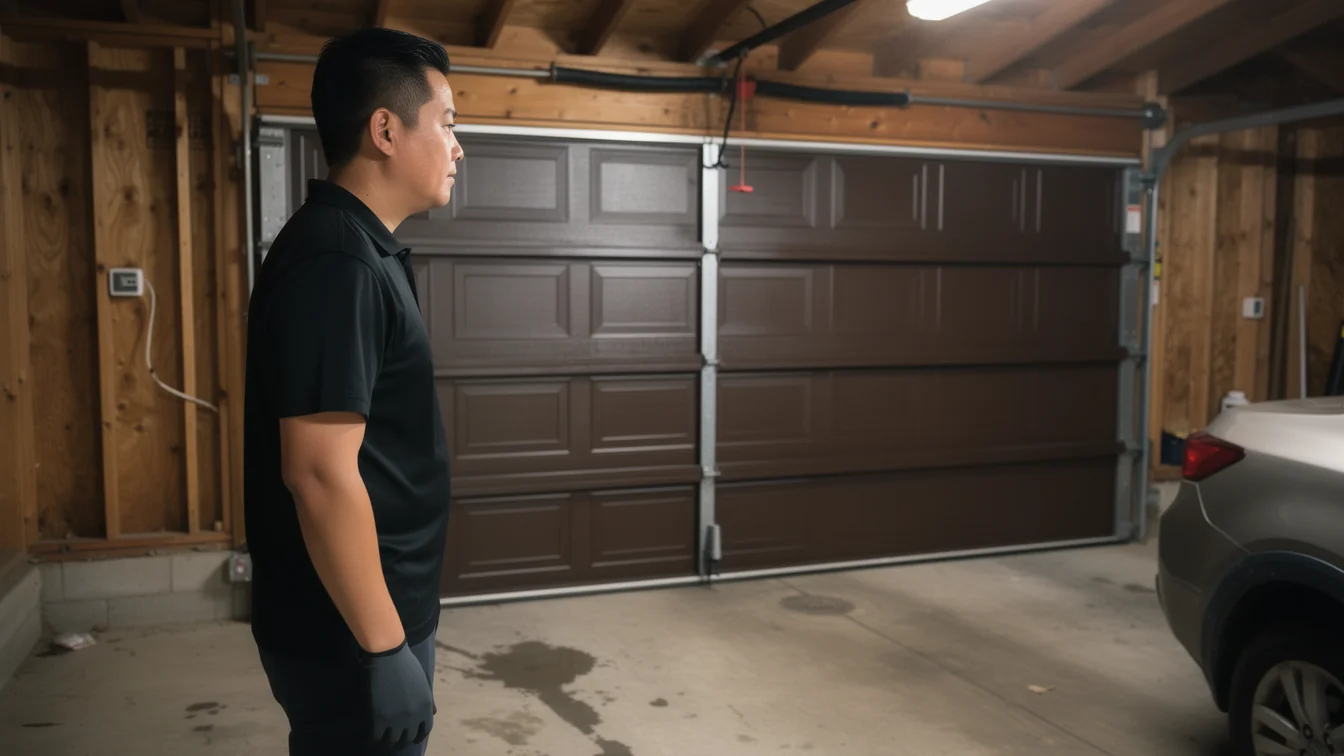
What That Noise Your Garage Door Is Making Actually Means
La Crosse homes built between 1967 and 1998 carry original track and spring hardware that reacts hard to our cold-severe winters.
Read guide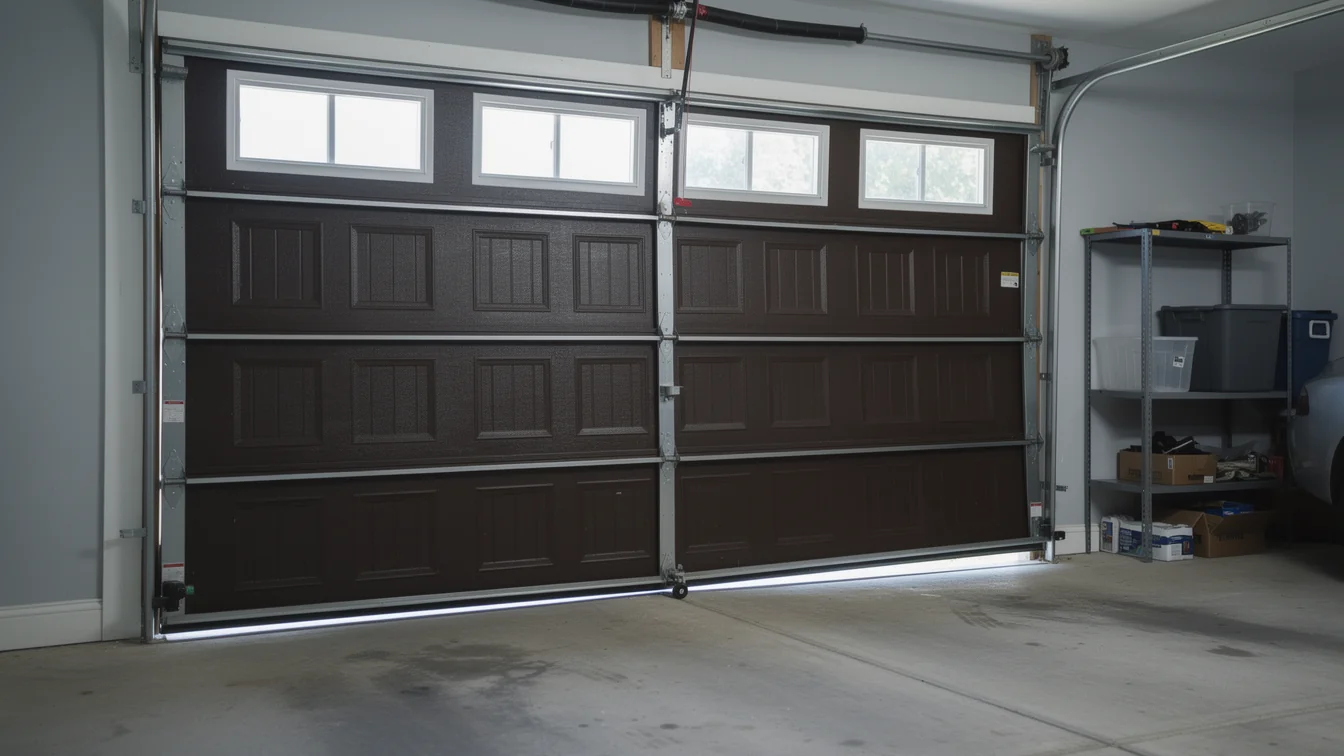
Why La Crosse Garage Doors Jump Off Track
Homes in La Crosse built between 1967 and 1998 still run original track hardware that severe cold winters push out of alignment fast, so doors jump track.
Read guide
What Winter Does to Your Opener in La Crosse
Most La Crosse garages date to 1967-1998, wired for openers never built for severe cold power cuts that freeze tracks and drain backup batteries fast.
Read guideReady when you are
Need a garage door sorted in La Crosse?
La Crosse Garage Door Pros repairs and installs garage doors, springs and openers in La Crosse, WI and the surrounding area.