Blog
Is Your La Crosse Garage Door Worth Fixing, or Done
Most La Crosse houses date to 1967-1998, and our winters are hard on original doors. Here's how to tell if yours is worth repairing or past it.
What Local Conditions Do
La Crosse sits in a cold climate band, and that matters more to a garage door than almost anything else we see. Deep cold shrinks steel panels, stiffens lubricant in rollers and hinges, and makes torsion springs that are already fatigued more likely to snap on the next cold morning rather than fail gradually. A door that's fine in July can bind, sag, or drop a cable the first week temperatures stay below freezing. This isn't a once-a-decade event here; it's the normal winter pattern across the 19 named areas we work in, from French Island out to Galesville. If your door has been sticking or groaning for a season already, cold weather is usually what finishes the job a worn roller or a stretched cable started months earlier. We don't treat every service call the same way in January as we would in June, because the failure mode is different: cold-snapped springs come in fast and sudden, not slow and creaky.
The Situation
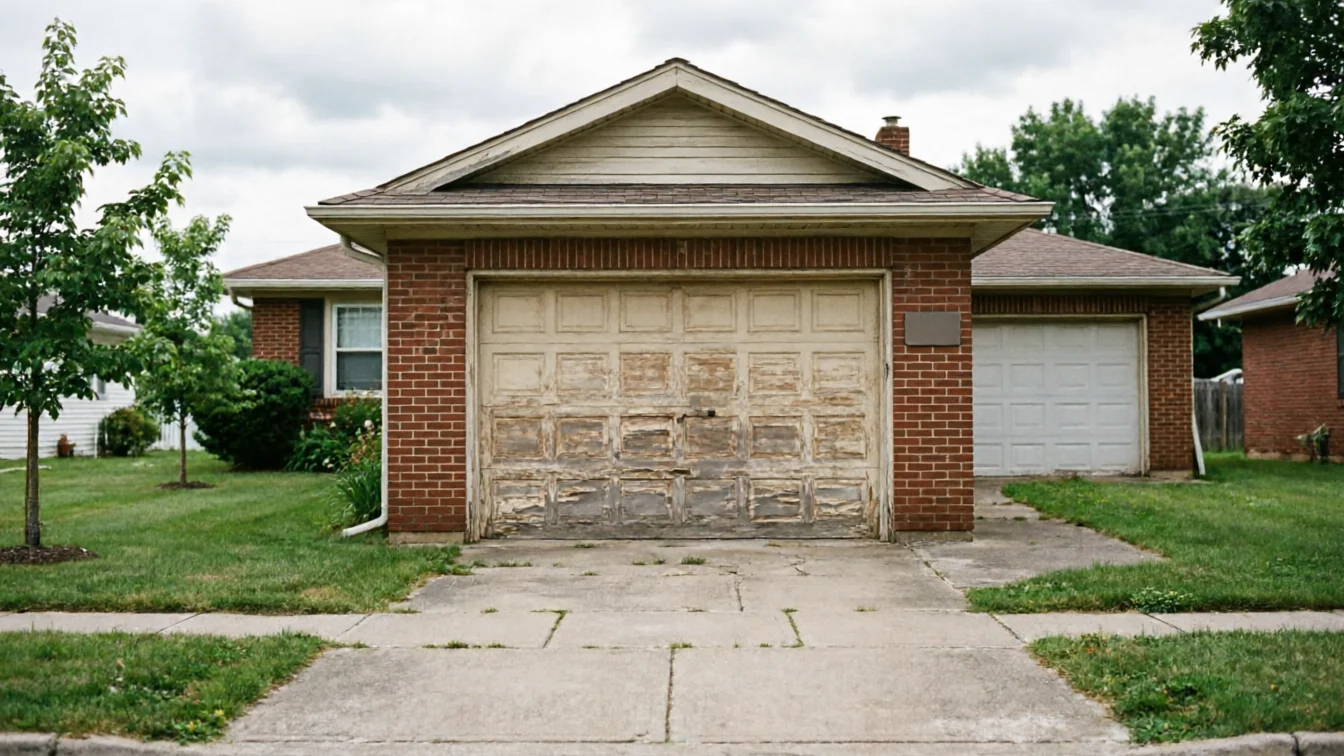
A lot of the housing stock around La Crosse was built between 1967 and 1998, with the median landing around 1979 - meaning a large share of garage doors in this area are either the original units from that build-out or a first-generation replacement installed sometime in the 80s or 90s. Across the 19 named communities we cover, that 1960s-70s era construction is the common thread, not the exception. Doors from that period were built with heavier steel, simpler torsion or extension spring setups, and hardware that often doesn't match what's stocked today. That's good news in one way - the bones are usually solid - and bad news in another, because finding an exact replacement spring, track bracket, or panel for a 40-plus-year-old door can mean a special order instead of a same-day fix. Knowing roughly when your house was built tells us a lot before we even look at the door: it narrows down what kind of spring system is likely back there and whether parts are common or scarce.
The Cost of This Job
We can't quote a number here without seeing the door, so we won't guess at one. What we can tell you is how we think about it. A door from the 1967-1998 era with a bent track, a worn roller, or one broken spring is almost always worth repairing - the steel panel itself usually outlasts the hardware around it by decades, especially with La Crosse's winters being hard on moving parts more than on the panel steel. Where it tips toward replacement is when the opener, springs, and tracks are all original and all failing at once, or when the panel has rusted through at the bottom from years of snowmelt sitting against it. At that point you're not fixing one thing, you're rebuilding the whole door piece by piece, and a new unit built for current cold-climate expectations often costs less over time than chasing parts for an original 1970s or 80s door.
Leaving It Alone
Ignoring a stiff or slow-closing door through a La Crosse winter is how a $150 roller job turns into a cable replacement, or how a cable replacement turns into a trip to the ER if someone's under the door when a fatigued spring lets go. Cold makes metal fatigue worse, not better, and a door that's already struggling in October won't improve on its own by February. One honest limitation: if your door's springs or cables are original to a house built in that 1960s-70s wave and haven't been serviced, we're not going to tell you it just needs a little oil. At that age, in this climate, the hardware has usually done its job and is due for replacement regardless of how it looks. Waiting rarely saves money here - it just moves the repair to the coldest, least convenient week of the year.
Questions
Common questions
Is it worth fixing a garage door from the 1970s or 80s?
Usually yes, if it's one component failing - a roller, a cable, a single spring. The steel panels from that era tend to be heavier than what's common now and often outlast the hardware. It's a different answer if the opener, springs, and tracks are all original and failing together.
Why does my door act up more in winter here?
La Crosse sits in a cold climate band, and cold stiffens lubricant, shrinks metal, and puts extra strain on fatigued springs. A door that's been marginal all year is most likely to actually fail - often suddenly - during the coldest stretch of winter.
Can you find parts for an original door from the 60s or 70s?
Sometimes, but not always off the shelf. A lot of La Crosse-area houses were built between 1967 and 1998, so we see this hardware regularly, but exact matches for older spring systems or track brackets can require a special order instead of a same-day fix.
Recommendation
You Might Also Like
More garage door guides for La Crosse homeowners.
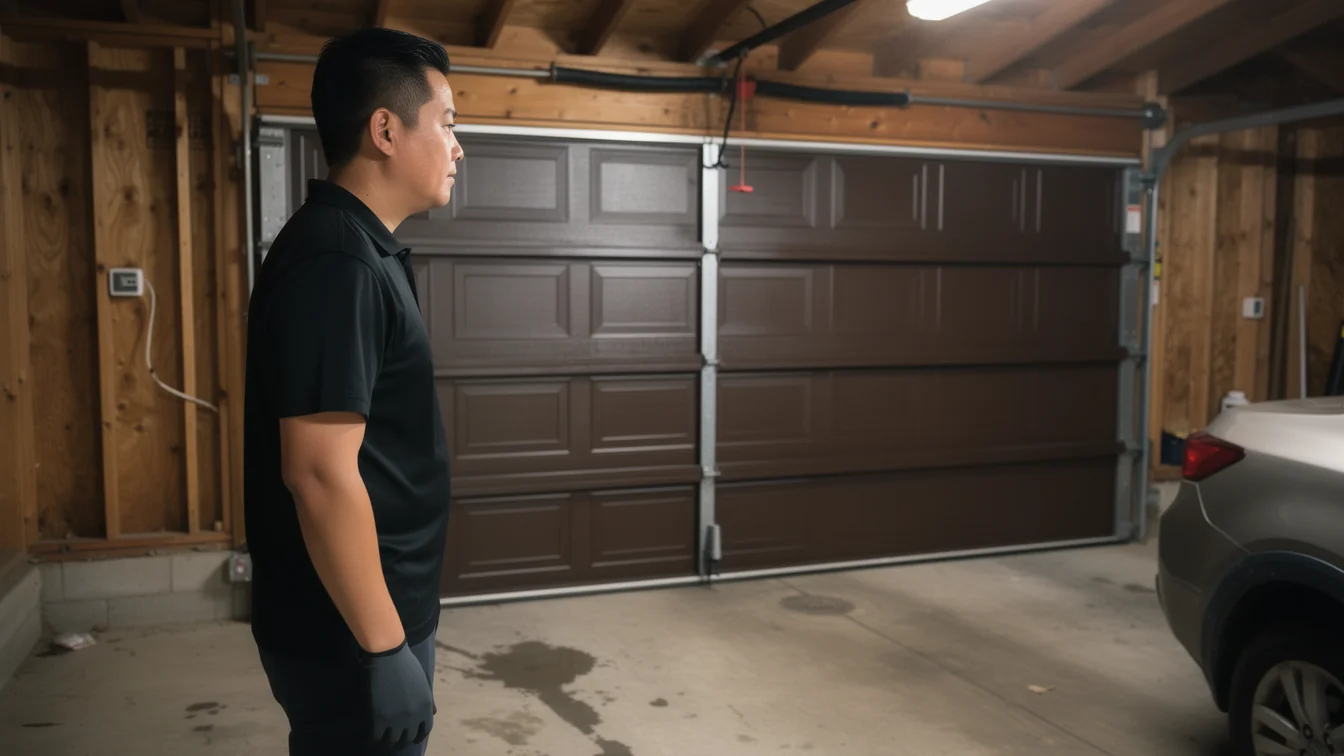
What That Noise Your Garage Door Is Making Actually Means
La Crosse homes built between 1967 and 1998 carry original track and spring hardware that reacts hard to our cold-severe winters.
Read guide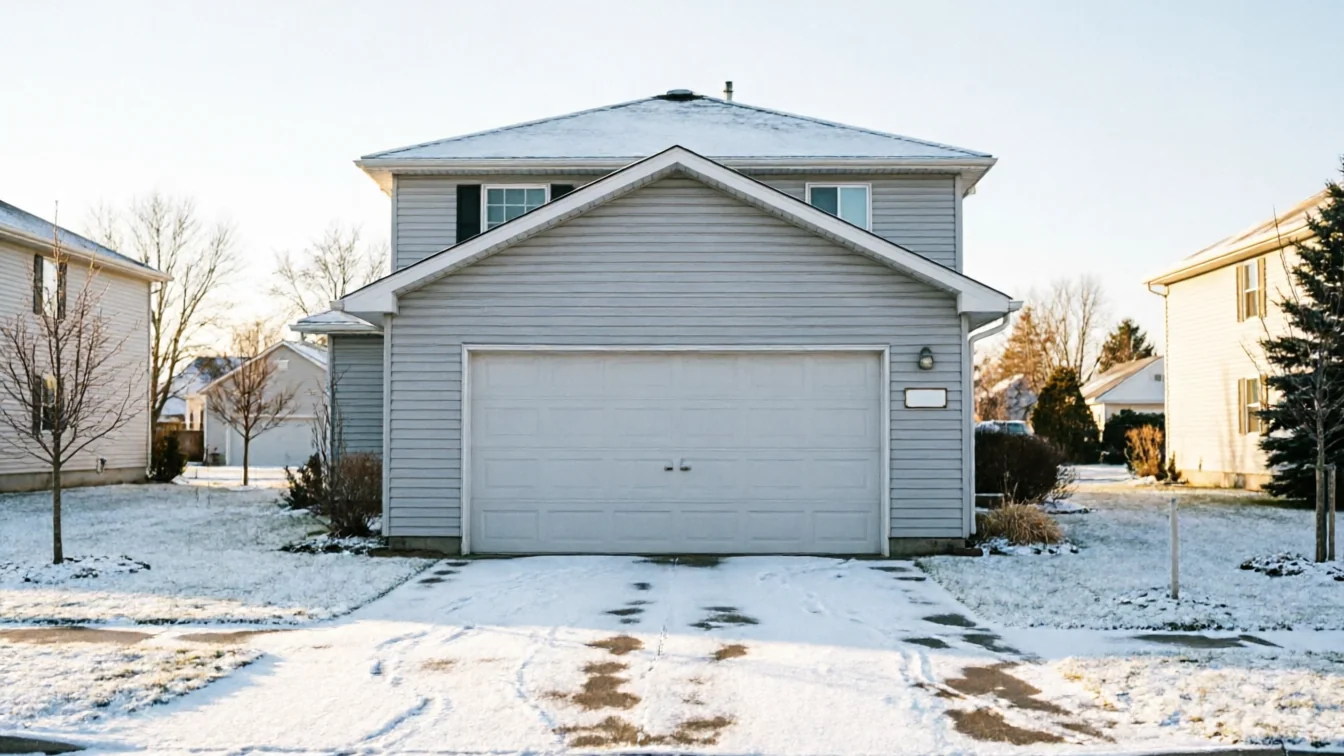
Cold Weather and Broken Springs in La Crosse
Why La Crosse winters snap torsion springs on houses built 1967-1998, what it costs to fix, and why ignoring a broken spring here gets expensive fast.
Read guide
Why So Many La Crosse Garage Doors Leak Cold Air
Most La Crosse garage doors went up between 1967 and 1998, before insulation codes tightened.
Read guideReady when you are
Need a garage door sorted in La Crosse?
La Crosse Garage Door Pros repairs and installs garage doors, springs and openers in La Crosse, WI and the surrounding area.